From a Seasoned Real Estate Investor (who has made a lot of mistakes)
I’ve been buying, developing, and leasing real estate for over 15 years. I’ve learned a lot of lessons the hard way, especially when it comes to lease management. Before we dive in, I have to say: this is not legal advice, and these tips may not work for everyone, but they have helped me better manage my leases.
Rule 1: Keep it simple!
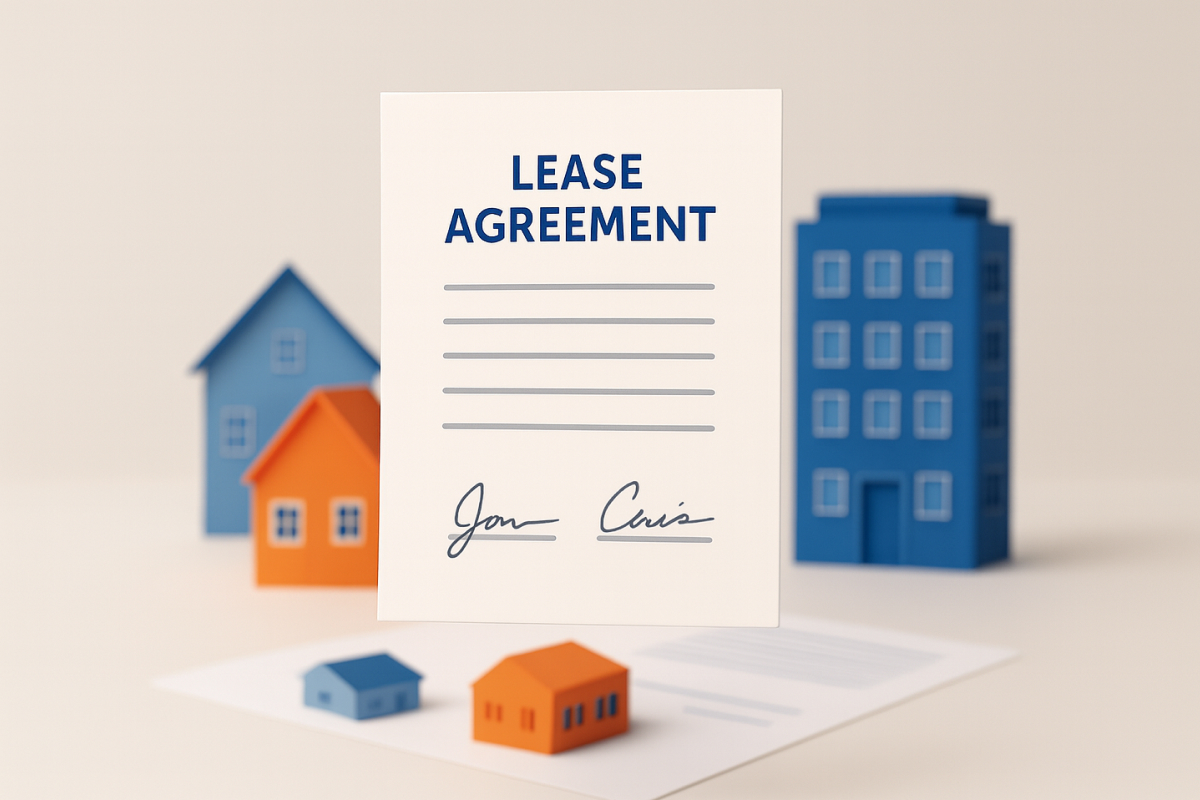
How do you write your lease agreements?
I’m a big believer in the “less is more” mindset, and I try to apply that approach to legal agreements as well. Leases, access agreements, operating agreements, and any other type of document that represents a shared understanding between two parties can get complicated quickly. Not only does this complexity make the document difficult to understand, it also tends to introduce inconsistencies and can create space for disagreements to take root.
Once I sign a lease, my hope is that I’ll never have to pull it back out again to settle a conflict. However, if you find yourself having to do this, a lease that is inconsistent, unclear, or ambiguous can make bad problems much, much worse.
Keeping these documents simple is not always possible, but it benefits all parties (except maybe the lawyers) to avoid complexity and inconsistencies. Here are a few tactics for helping to create clearer legal agreements:
- Keep key information consolidated within the document. Try to keep important lease items about a particular issue consolidated to a single section. For example, keep all terms about paying expenses in a single section, don’t include some items in Section 2 “Operating Expenses” and Section 12 “Landlord Responsibilities.”
- Ensure financial obligations are crystal clear. Use tables, include specific amounts, and if you’re going to get one thing right, make sure it’s the section that describes who has to pay for what and when. Your future self will thank you when you inevitably find yourself dealing with a disagreement on finances.
- Use defined terms consistently. If "Operating Expenses" is defined in Section 1, don't introduce "CAM Charges" in Section 8 without explaining whether they're the same thing or different.
- Read AND understand your entire lease. The whole thing. Read it. And if you don’t understand something, make sure you go find out what it means. This is a legally binding document, and you’ll generally be held to the details of this document (caveat: the real world can be a messy place, but this document will be the major thing that decides who has to do what).
Rule 2: Centralize and Digitize Your Lease Abstract Data
How do you stay organized with leases?
Once you've signed a lease, the real work begins—managing it. I'm a huge advocate for creating lease abstracts and keeping them in a centralized, digital system. A lease abstract is essentially a summary document that pulls out all the critical information from your lease (rent amounts, escalation clauses, renewal options, repair responsibilities, insurance requirements, and termination dates) and puts it in an easy-to-reference format.
Here's what works for me:
- Create a standardized template for all your lease abstracts. Every abstract should capture the same categories of information in the same order. This makes it easy to compare leases side-by-side and ensures you're not missing anything important.
- Store everything in one place. Whether it's a shared drive, a cloud-based property management system (like Kestrel), or a dedicated lease management software, pick one location and stick with it. Make sure to save fully executed documents, too once signed.
- Keep your abstracts updated. When you execute an amendment or renewal, update the abstract immediately. A lease abstract is only useful if it's current.
- Create a reminder system. Scanning a paper lease and calling it "digital" isn't enough. Be proactive in creating a system to notify you of important events. Online calendars, date books, scheduled emails, or any other system that works for you can take a big management burden off your plate.
The bottom line: you're not going to remember every detail of every lease you've ever signed. But if you centralize and digitize your lease data properly, you won't have to. You'll be able to answer questions in seconds instead of hours, and that efficiency alone is worth the upfront investment in setting up a good system.
Rule 3: Conduct Annual Lease Compliance Audits
How do you maintain lease contracts?
Even the most favorable lease won't do you any good if you’re not enforcing it. I recently audited a property that had been struggling financially for a year or so, only to discover that several tenants had not switched over their electricity meters into their own names, and that the payments had been automatically deducted from the owner’s account. The lease clearly stated they were responsible for it, but I never caught it.
This is why I now conduct an annual lease compliance audit for every property I manage. It sounds formal, but it's really just a systematic check to make sure everyone—including me—is holding up their end of the bargain.
Here's my approach:
- Schedule it and treat it like any other important business task. Pick a time when you're not in the middle of tax season or dealing with other major deadlines. Block out time on your calendar and actually do it.
- Review financial obligations first. Go through your lease abstracts (see Rule 2) and verify that rent, CAM charges, property taxes, insurance, and any other financial obligations are being paid correctly and on time. Compare what the lease says should happen with what's actually happening in your accounting records. Are you being billed accurately?
- Check maintenance and repair responsibilities. Walk the property (if possible) and confirm that maintenance obligations are being met. Is the tenant maintaining their space as required? Are you keeping up with your capital repair obligations? Are there any deferred maintenance items that could become lease disputes down the road?
- Verify insurance and legal compliance. Confirm that all required insurance policies are current and that coverage amounts match lease requirements. Check that any required permits, licenses, or certificates are up to date.
- Review key dates and deadlines. Make note of upcoming lease expirations, renewal option deadlines, and rent escalation dates. If a lease requires that you submit expenses for reimbursement within 180 days, you don’t want to find that out on day 181.
- Document everything. Keep notes from your audit in a file. If you find issues, document them and create a plan to address them. If everything looks good, document that too. This paper trail becomes valuable if disputes arise later, and are very helpful if you ever want to sell the property
The goal here isn't to be adversarial or to "catch" anyone doing something wrong. The goal is to identify small problems before they become big ones, and to maintain the kind of transparent, professional relationship with your contractors, managers, and tenants that makes everything easier for everyone involved.
An hour or two spent on an annual compliance audit will save you countless hours (and dollars) dealing with problems that could have been prevented.






.svg)