
August 24, 2013

(a.k.a. how to avoid turning your portfolio into a spreadsheet horror show)
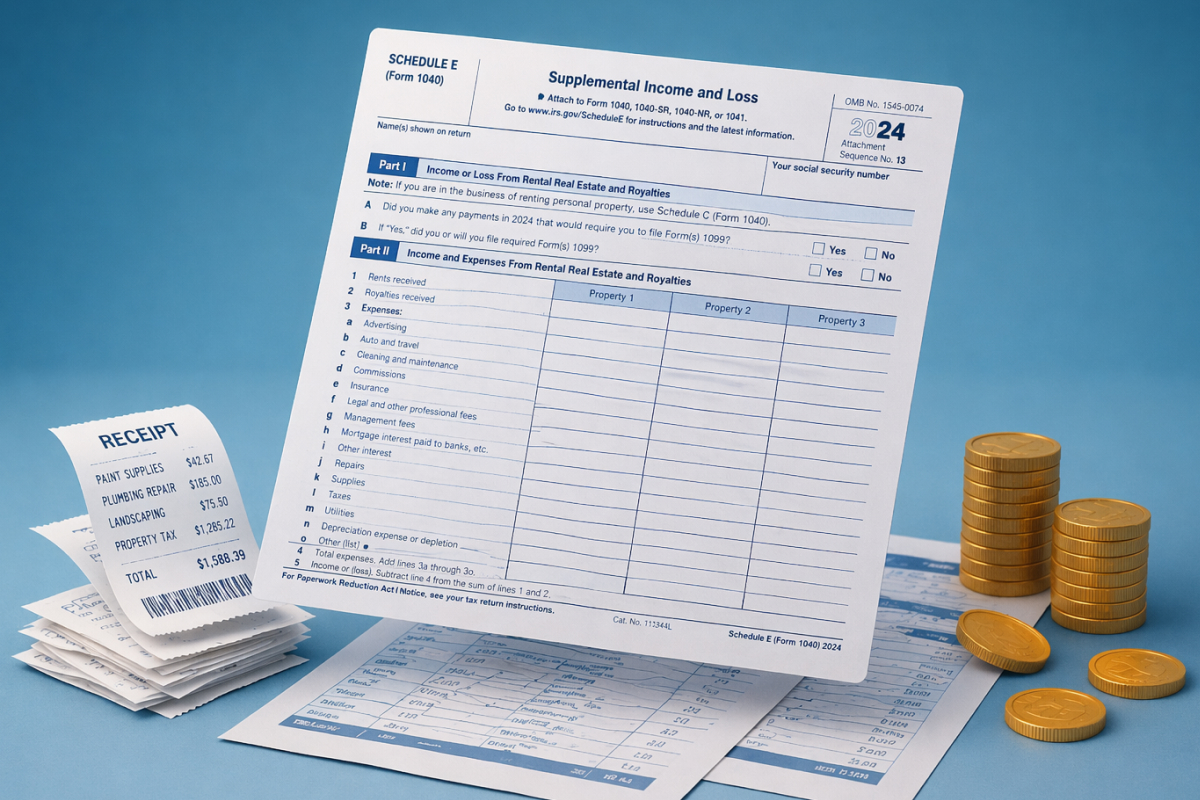
If you’ve ever tried to untangle twelve months of real estate expenses at tax time, you already know: chaos can compound faster than returns.
Good investing isn’t just about the deal, it’s about discipline. As the old saying goes, out of sight, out of mind, and that can happen quickly to your real estate portfolio, especially when things feel like they are running smoothly. It’s critical to maintain good habits to keep you organized and on top of your portfolio. But that is often easier said than done.
Here’s how to keep your portfolio from running you.
Each property is its own little business—treat it that way.
Set up a checking account for every entity or property and keep income and expenses where they belong. No co-mingling, no “I’ll sort it later.” When money moves between accounts, document it like an auditor’s looking over your shoulder (because one day, they might). Failing to maintain separation between entities can also have significant legal implications.
It sounds tedious. It’s not. It’s clarity. You’ll know exactly which property is performing, which one’s bleeding cash, and how to explain it to your partners (and your accountant) without hand-waving your way through “well, roughly…”
The golden (dark?) age of spreadsheets is over.
You can connect your bank feeds, track rent payments, and sync it all into accounting software that does half the work for you. The trick isn’t finding a tool, it’s finding your stack: a set of systems that actually talk to each other.
Don’t start from scratch every January and spend hours exporting CSVs and spreadsheets at tax time. Set up repeatable workflows that run themselves. The payoff is not just time saved, but accuracy, and peace of mind when you realize your “bookkeeping system” doesn’t depend on your memory. Repeatable and reliable systems not only save you time and heartache, they will help you be more profitable.
Profit on paper is cute. Cash flow pays the bills.
Real estate is lumpy: stable one quarter, expensive the next. That HVAC replacement? It’s not an “if,” it’s a “when.” You need to build reserves before you need them. A solid rule of thumb: keep a few months’ worth of operating expenses per property so you have a reserve when you need it. It’s not just defensive; it lets you sleep.
Automation doesn’t mean autopilot.
Recurring ACHs, loan drafts, property manager disbursements: double-check them all. Errors happen constantly, and not to scare you, but fraud isn’t rare anymore.
Once a month, scroll through your ledger and make sure every line belongs. You don’t have to be paranoid, but you should be the kind of person who notices a $74 charge from “Urban Tree Frog LLC” and flags it as not expected.
I once had a contractor accidentally charge my business card for UberEats. No lie. If I hadn’t caught it, who knows how many Friday late-night deliveries I would have paid for!
Didn’t expect this one in an accounting article, did you? But no one builds wealth alone.
Your banker, accountant, insurance agent, and tenants can either be friction or fuel. The difference usually comes down to communication.
Be honest, be responsive, and be fair. A quick call today can save you a multi-thousand-dollar surprise later. Good relationships won’t show up on your balance sheet, but they might save it someday.
As the late Zappos CEO, Tony Hsieh, famously said, "Just because you can't measure the ROI of something doesn't mean you shouldn't do it. What's the ROI of hugging your mom?"
Boring habits build serious portfolios. It’s not as sexy as finding that crazy off-market deal or figuring out how to reduce tax liability with a lesser-known rule, but these habits work. Trust me.
The investors who scale profitably aren’t chasing the next flip. They’re mastering the fundamentals.
Separate your accounts. Automate smartly. Guard your cash. Audit your own systems. Invest in people.
In the long run, those habits will outperform any hot tip.
Our real estate proforma is a forward-looking financial model (in Excel) built to help investors understand a property’s projected performance so you can make informed decisions with confidence.

Real estate portfolio management &
accounting software

Your data secured by Plaid.
Copyright 2026 Kestrel, LLC


.svg)